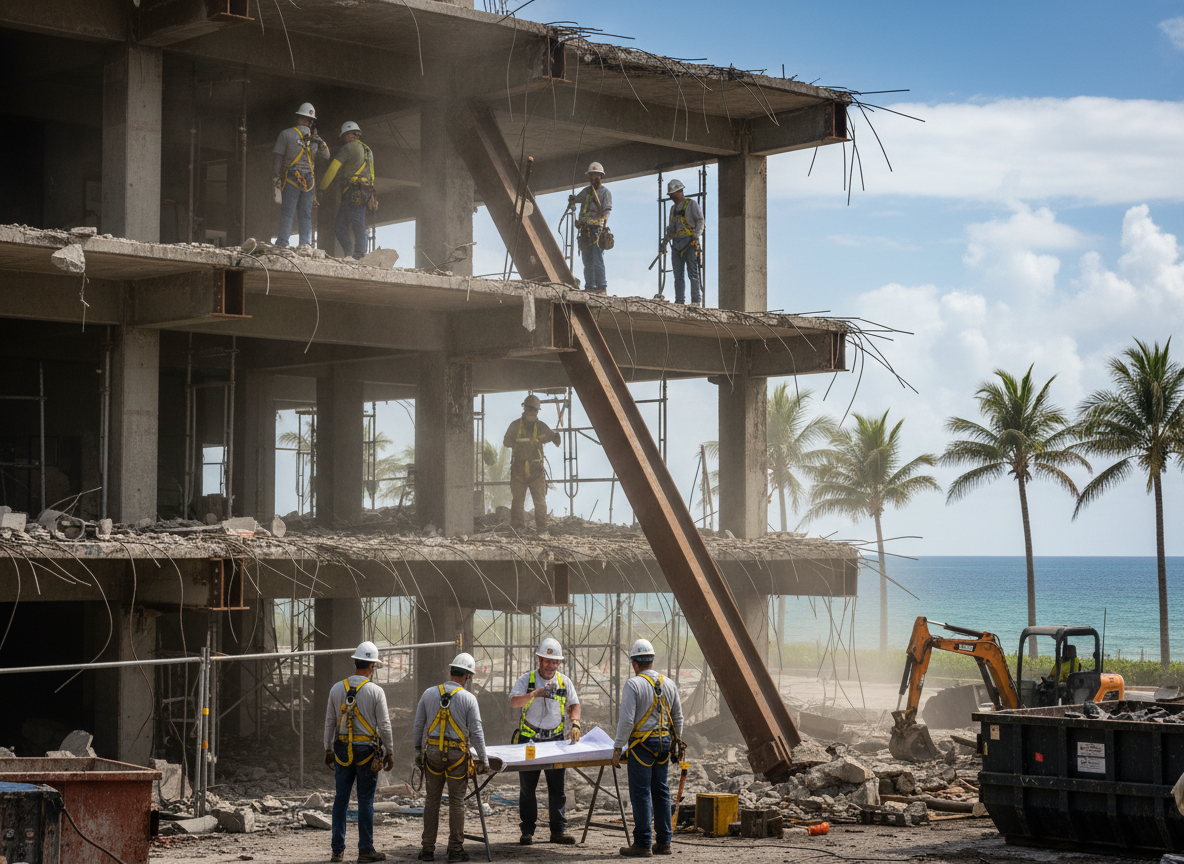
Balboa Peninsula sits on a narrow stretch of land between Newport Bay and the Pacific, with most homes built in the 1920s through 1960s on small lots fronting narrow streets. Fire Damage Restoration Surfside crews reach these addresses quickly via Pacific Coast Highway and Balboa Boulevard, bringing equipment sized for tight driveways and limited turnaround space. Salt air and steady on-shore breezes often push smoke deeper into wall cavities, requiring more thorough demolition than inland jobs.
Summer fog keeps humidity higher along the peninsula even when inland Orange County dries out, slowing natural drying after water is used to extinguish fires. Crews from our Surfside base at 16281 Pacific Coast Hwy stage dehumidifiers and air movers sooner and run them longer to prevent hidden mold in the older plaster and lathe construction common here.
Access for larger trucks is restricted once you pass the Balboa Fun Zone, so we stage most equipment at the 15th Street lot and ferry smaller tools by cart. This keeps response times short for peninsula residents while respecting the one-way traffic patterns that run from Main Street toward the Wedge.
Around Balboa Peninsula
We regularly work near:
- 📍Balboa Pier
- 📍The Wedge
- 📍Balboa Fun Zone
- 📍Balboa Boulevard
- 📍Peninsula Park
- 📍15th Street
Fire Damage Restoration Surfside in Balboa Peninsula — Local Notes
- •Many peninsula homes sit on 25- to 30-foot-wide lots with zero side setbacks, so negative-air machines must be placed on the street and ducted through front windows.
- •Ocean winds routinely reach 15-20 mph in the afternoon, carrying embers across back-to-back roofs and requiring extra roof-edge inspection on every call.
- •Aging knob-and-tube wiring in pre-1950 cottages often ignites inside walls; crews remove lath and plaster in larger sections to reach hidden runs without cutting structural studs.
- •High water table near the bay end of the peninsula means any excess suppression water must be extracted immediately or it migrates under neighboring slabs.